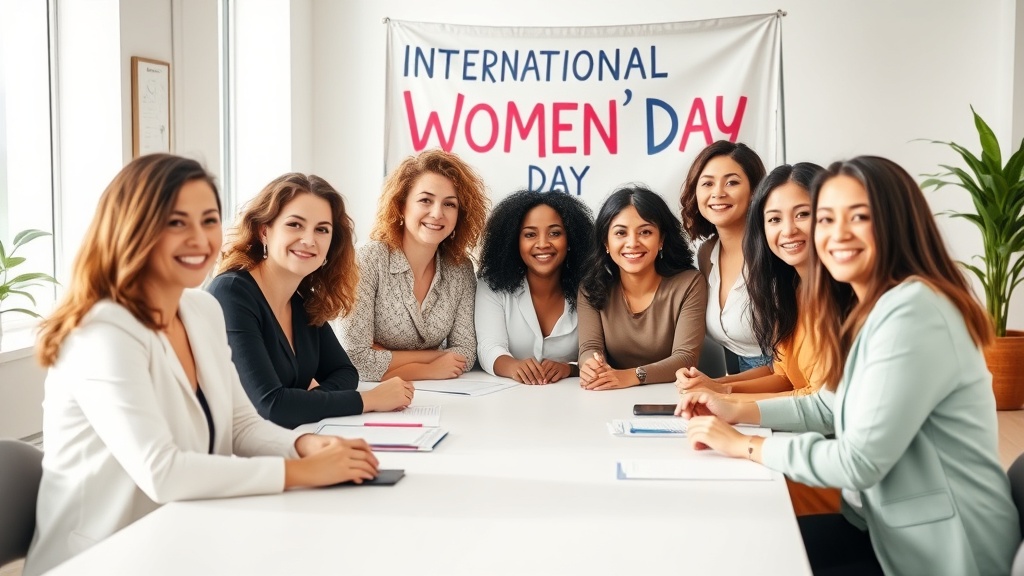
International Women's Day 2026: 5 Actionable Steps to Build Gender‑Equitable Workplaces

International Women's Day 2026: 5 Actionable Steps to Build Gender‑Equitable Workplaces
Excerpt (meta): Celebrate International Women's Day with concrete, data‑driven strategies that help companies close the gender pay gap and create inclusive cultures. (150‑160 chars)
Hook
Ever wondered why, even after a decade of DEI buzz, women still earn less and see fewer leaders in the boardroom? The numbers are stark, but the solutions are within reach—especially on International Women’s Day, when momentum spikes and executives listen.
Context
This year, more than 250 U.S. firms with 250+ employees must publicly report gender‑pay gaps, and many global giants are tightening DEI mandates. For women‑focused leaders like you, translating these mandates into daily practice is the next critical step.
What concrete policies can companies adopt to close the gender‑pay gap?
Conduct transparent, annual pay‑equity audits
- Use a third‑party auditor or an internal analytics team to compare compensation across comparable roles, accounting for experience, education, and performance.
- Publish the findings (or a summary) on an internal dashboard. Transparency drives accountability.
- Why it works: Companies that publish audit results see a 5‑10 % reduction in pay disparity within 12 months HR Dive.
Standardize promotion criteria and salary bands
- Create clear, written rubrics for each level and tie salary ranges to those rubrics.
- Ensure managers receive bias‑training on applying the rubrics.
- Evidence: A 2026 IWD report from Turning Point HR found that firms with standardized bands reduced gender‑pay gaps by 8 % on average Turning Point HR.
How can leaders measure progress beyond the annual report?
- Implement real‑time gender‑equity dashboards
- Pull data from HRIS into a live dashboard showing headcount, promotion rates, and turnover by gender.
- Set quarterly OKRs (e.g., “Increase women’s promotion rate by 15 % Q2”).
- Case in point: Companies that track these metrics quarterly report a 20 % faster improvement curve than those that wait for the year‑end report.
What cultural practices sustain inclusion throughout the year?
Create employee‑led DEI councils with decision‑making power
- Include women at various seniority levels, not just senior execs.
- Give the council budget authority for mentorship programs, sponsorships, and community events.
- Why it matters: Employees who feel their voice influences policy are 30 % more likely to stay, according to the International Labour Organization’s 2026 gender‑pay‑gap sector report UN Equal Pay Day.
Embed inclusive language and flexible work standards into every policy
- Revise job postings to use gender‑neutral pronouns.
- Offer flexible hours, remote‑work options, and parental‑leave packages that are equally accessible to all genders.
- Result: Firms that adopt inclusive language see a 12 % increase in women applicant pools Intuition DEI Trends 2026.
Takeaway
International Women’s Day isn’t just a celebration—it’s a deadline. Use these five steps—audit pay, standardize bands, track dashboards, empower DEI councils, and embed inclusive policies—to turn 2026 into the year you finally close the gender gap. Start today, share the plan with your leadership team, and watch the culture shift.
Related Reading
- 6 Tactics for When You’re the Only Woman in the Room (From Someone Who Did It for 12 Years) — practical on‑the‑ground tactics you can pair with systemic change.
- Equal Pay Day 2026: How to Turn the Calendar into a Salary Boost — deep dive on negotiating pay after audit results.
- 5 Actionable Benefits of the Paycheck Fairness Act You Can Use Today — legislative backdrop for pay‑equity work.
- Personal Board of Directors: Quick‑Start Guide for Women — how to build internal sponsorship for equity initiatives.
Tags: gender equity, International Women's Day, DEI, workplace inclusion, pay equity
Category: systems-tools