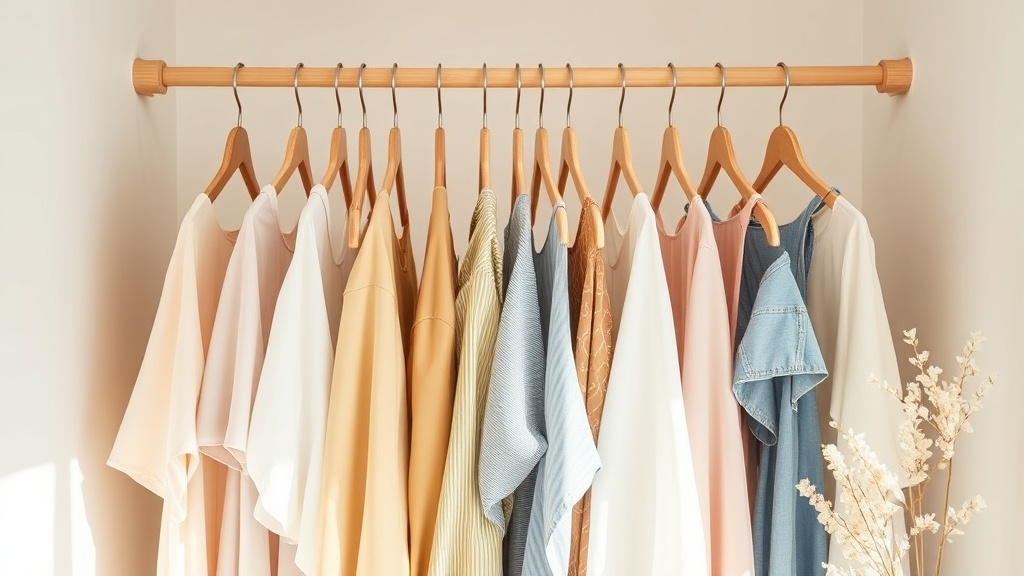
Spring Wardrobe Refresh: Eco Fashion Tips for a Greener Closet

Ready to give your closet a spring makeover without adding to the planet’s waste pile? I’ve spent years navigating boardrooms as the only Black woman in the room, and I’ve learned that the smartest moves are the ones that pay off twice—once for your career, once for the world.
That same strategic thinking applies to your wardrobe. A few deliberate swaps can free up space, boost confidence, and keep your style on point—all while shrinking your carbon footprint.
Why does a sustainable spring wardrobe matter?
Fast‑fashion accounts for roughly 10% of global carbon emissions (Statista, 2025). When you choose eco‑friendly pieces, you’re not just looking good—you’re reducing waste that ends up in landfills.
How can I audit my current closet?
Start with a quick inventory. Pull every item out, and ask yourself:
- Do I wear this at least twice a month?
- Is it in good repair?
- Does it align with my professional image?
If the answer is “no” to any, it’s time to either donate, recycle, or upcycle. I use the Sustainable Home Office guide as a template for a systematic declutter—apply the same logic to clothes.
Where should I find quality second‑hand pieces?
Second‑hand isn’t a bargain bin; it’s a treasure hunt. Here are my go‑to sources:
- Thrift stores with curated sections. Look for “vintage” or “designer” tags.
- Online resale platforms. Apps like Poshmark and Depop let you filter by condition, size, and brand.
- Community swaps. Host a “style swap” with friends—everyone walks away with fresh looks and zero waste.
When you buy, prioritize natural fibers (cotton, linen, Tencel) and timeless cuts that won’t look dated after a season.
Can I refresh old pieces with DIY natural dyes?
Absolutely. Natural dyes let you breathe new life into forgotten basics. A simple recipe I love uses coffee grounds for a warm, earthy hue:
- Mix 1 cup coffee grounds with 2 cups water; simmer 30 minutes.
- Strain, then add 1 Tbsp salt (helps color set).
- Soak clean, cotton garments for 30‑60 minutes, then rinse.
Result: a subtle caramel tint that pairs beautifully with spring pastels. For deeper blues, try indigo leaf powder—just be patient, the color deepens over several washes.
How do I build a capsule spring collection?
A capsule is a small set of interchangeable pieces that cover every occasion—from a client pitch to a coffee catch‑up. My go‑to 8‑item capsule includes:
- Neutral blazer (gray or navy)
- White silk blouse
- Lightweight trench coat
- High‑waist trousers
- Midi wrap dress
- Versatile cardigan
- Classic leather loafers
- Statement accessories (a bold necklace or patterned scarf)
Each piece can be mixed‑and‑matched, reducing the need for “one‑off” purchases. The Personal Brand guide stresses consistency—let your wardrobe echo that same principle.
What habits keep my closet green year‑round?
Maintenance is where most people slip. Adopt these habits:
- Seasonal check‑ins. Every three months, repeat the audit checklist.
- Repair before you replace. A simple seam stitch can extend a blazer’s life by years.
- Rotate responsibly. When you add a new piece, retire an old one.
- Store sustainably. Use breathable garment bags and avoid plastic containers.
These steps keep your closet lean, your style sharp, and your impact low.
Takeaway
Think of your spring wardrobe as a strategic project: audit, source, revitalize, and maintain. By leaning on second‑hand finds, DIY dye tricks, and a tight capsule, you’ll step into the season feeling confident, organized, and environmentally savvy.