Sustainable Home Office: Eco-Friendly Tips for Remote Workers

Ever wondered how much carbon your home office is adding to the planet? You’re not alone. With remote work becoming the norm, the little choices we make at our desks can add up to a big environmental impact.
Spring is the perfect time for a fresh start, and that includes giving your workspace a green makeover. Below are practical, step‑by‑step ways to shrink your carbon footprint while staying productive.
What is a sustainable home office and why does it matter?
A sustainable home office is a setup that minimizes energy consumption, waste, and resource use without sacrificing performance. According to the Global Workplace Analytics study, remote workers can reduce household emissions by up to 54% when they adopt green habits. That’s a compelling reason to make green choices now.
How can I cut energy use while working remotely?
Energy is the biggest carbon source in a typical home office. Here are three quick wins:
- Upgrade to an Energy‑Star laptop and monitor. These devices use up to 30% less power than standard models. The EPA’s guide lists certified products you can trust.
- Power‑down peripherals. Switch off chargers, printers, and desk lamps when not in use. A smart power strip can automate this.
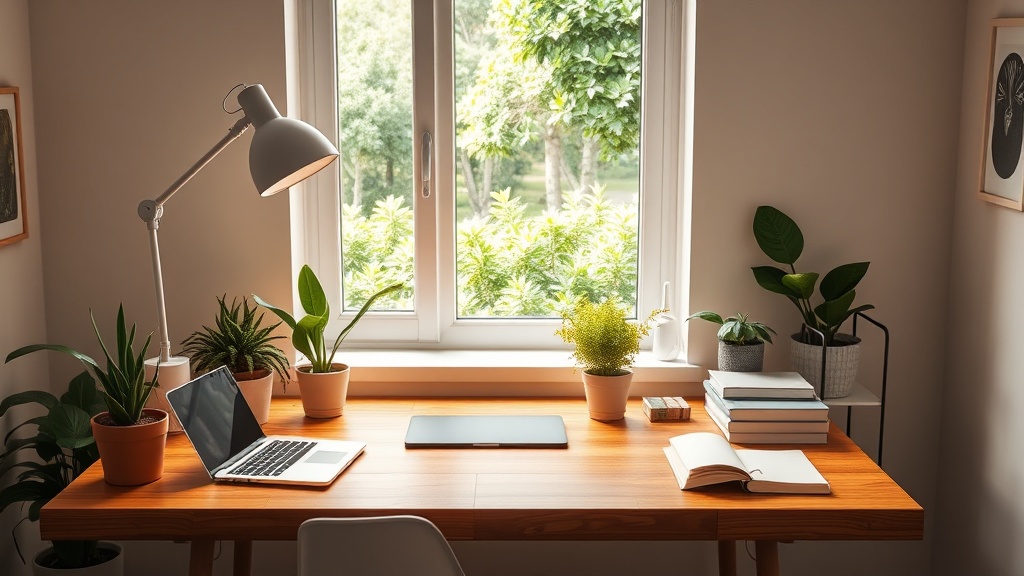
- Use natural light. Position your desk near a window and dim artificial lighting during daylight hours. A solar‑powered desk lamp (like the one in the featured image) provides supplemental light without adding to the grid.

Which eco‑friendly office supplies should I choose?
From notebooks to pens, every item matters:
- Recycled paper notebooks. Look for post‑consumer waste content—ideally 80%+ recycled.
- Biodegradable pens. Brands like Pilot’s B2P use plant‑based plastics.
- Refillable ink cartridges. They cut waste by up to 90% compared to disposable cartridges.
These small swaps not only reduce landfill waste but also signal your commitment to sustainability to colleagues and clients.
How do I create a green workspace with plants and natural light?
Plants do more than look pretty; they improve air quality and boost mood. A few low‑maintenance options that thrive in indoor office lighting are:
- Snake plant (Sansevieria). Tolerates low light and filters toxins.
- ZZ plant (Zamioculcas zamiifolia). Almost indestructible and stores water, reducing the need for frequent watering.
- Spider plant (Chlorophytum comosum). Easy to propagate and great for desk corners.
Pair these with a window view of a garden or balcony—just like the scene in the featured image—to bring the outdoors inside.
What simple habits keep my home office low‑waste?
Consistency beats occasional big changes. Try these daily habits:
- Digital note‑taking. Use cloud‑based tools (Google Docs, Notion) instead of printed agendas.
- Two‑minute rule for recycling. If an item can be recycled, toss it in the bin immediately.
- Batch your printing. Print only when necessary and double‑sided.
- Mindful ordering. Choose suppliers that use minimal packaging—look for “eco‑packaging” labels.
These habits align perfectly with the UN’s Responsible Consumption goal (Goal 12), keeping you on track with broader sustainability objectives.
Takeaway
Creating a sustainable home office is a series of intentional, low‑effort choices that add up to a big impact. Start with one change—maybe swapping to an Energy‑Star monitor—then layer in plants, recycled supplies, and energy‑saving habits. By the end of this spring cleaning season, you’ll have a greener workspace that supports both your career and the planet.
Related Reading
- Spring Refresh: Embrace the Season with a Lifestyle Overhaul — ideas for a holistic seasonal reset, including home‑office decluttering.
- Celebrating St. Patrick’s Day: Creative Ways to Incorporate Green Into Your Life — fun, green‑themed inspiration you can bring to your desk.
- Build a Career Command Center in 45 Minutes — a productivity system that pairs well with an organized, eco‑friendly workspace.